Three Hundred Tang Poems
Overview
"Three Hundred Tang Poems" is a celebrated anthology of poems from the Tang Dynasty (618-907), a period often regarded as the golden age of Chinese poetry. This collection has become one of the most popular and well-known compilations of Chinese poetry in both China and globally. The poems within this anthology are revered for their variety, depth of emotion, and mastery of language. They cover various themes, including nature, friendship, love, and the contemplation of life and death. The anthology has played a critical role in preserving Tang poetry, and it remains a significant cultural and educational resource.
Historical Context
The Tang Dynasty was a period of immense cultural flourishing in China, during which poetry became a central aspect of the intellectual and artistic life. Poets were regarded highly in society and often held official positions in the government. Poetry competitions and gatherings were common, and the art form was an integral part of the civil service examinations. The "Three Hundred Tang Poems" anthology captures the essence of this vibrant period, providing insight into the social and political milieu of the time.
Compilation and Structure
The "Three Hundred Tang Poems" was compiled during the Qing Dynasty (1644-1911) by Sun Zhu, also known as Hengtang Tuishi. Despite its name, the anthology actually contains 311 poems. Sun Zhu selected the poems based on their popularity and literary merit. The selection process was rigorous, ensuring that only the finest examples of Tang poetry were included. This curation solidified the anthology's status as a definitive collection of Tang poetic art.
The anthology is structured into several categories based on the form and theme of the poems. The most prominent forms are the jueju (quatrains), lyushi (regulated verse), and gushi (ancient style poems). This organization provides readers with a comprehensive
view of the stylistic diversity within Tang poetry.
Prominent Poets and Themes
The anthology features works by many of the Tang Dynasty's most renowned poets, such as Li Bai, Du Fu, Wang Wei, and Bai Juyi. Each poet brought their unique perspective and style to their writing, enriching the collection with a variety of voices and themes.
Li Bai, often referred to as the "Immortal Poet," is celebrated for his imaginative and free-spirited style. His poetry often explores themes of nature, friendship, and the fleeting nature of life. Du Fu, in contrast, is known for his more somber and reflective tone, with poems that address social issues, personal struggles, and the turbulence of the times. Wang Wei is renowned for his serene and meditative poetry, which frequently depicts natural landscapes and Buddhist themes. Bai Juyi's works are noted for their accessibility and social commentary, often addressing the concerns of common people.
Preservation and Legacy
The preservation of "Three Hundred Tang Poems" has been aided by traditional methods like woodblock printing, which played a critical role in disseminating the anthology throughout history. The combination of skilled craftsmanship and cultural dedication ensured that the anthology's legacy endured through centuries of social and technological changes.
Woodblock printing, a significant form of printing, involves carving characters and images into blocks of wood, and it allowed for the mass production of texts during the Tang and subsequent dynasties.The artistry and precision required for woodblock printing ensured that each copy was a faithful reproduction of the original, preserving the poetic nuances intended by the poets.
Educational Impact
The anthology remains a staple in the education of Chinese language and literature. Its poems are often memorized by students and recited during cultural events. This educational practice not only preserves the language and style of Tang poetry but also instills an appreciation for Chinese cultural heritage. Educators use the "Three Hundred Tang Poems" to teach linguistic nuances, historical contexts, and literary techniques.
Cultural Significance and Modern Influence
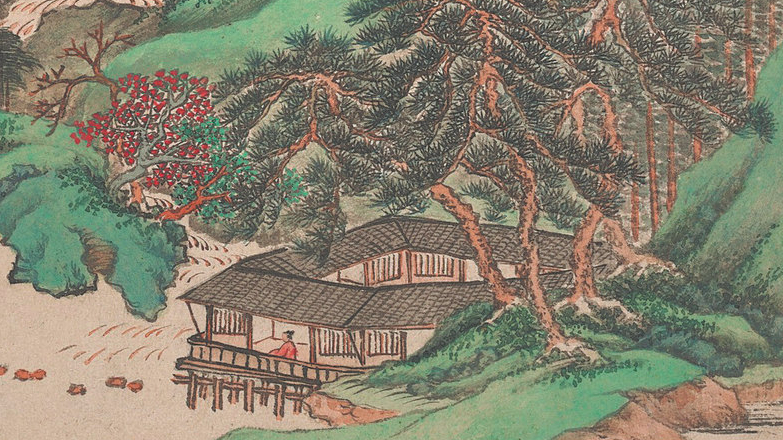
The "Three Hundred Tang Poems" is a literary masterpiece and cultural icon that has shaped Chinese language and poetry education for centuries. Its themes and vivid imagery have inspired a wide range of artistic expressions, from traditional paintings to modern music and theater. In recent years, the anthology has found renewed life through contemporary interpretations, with artists and performers integrating its elements into theater, opera, and digital media, introducing Tang poetry to new audiences and ensuring its relevance in today's rapidly evolving cultural landscape.
Educational platforms and digital translations have also made the anthology accessible to a global audience, allowing people from diverse backgrounds to appreciate its beauty and intricacy. This blending of traditional and modern art forms not only preserves the rich literary tradition of the Tang Dynasty but also highlights the timeless nature of poetry in capturing the complexities of human experience. The "Three Hundred Tang Poems" continues to be a cherished cultural treasure, celebrating the enduring power of language and artistic expression across generations.
Article reference1. Yangzhou cultural gems amaze audiences in Eastern Asia. seeyangzhou.com. 20242. Carving a story of skill. chinadaily.com.cn. 2023Photo Gallery(1 picture)CategoriesLiteratureTagChinese PoetryRelatedDu MuCatalogue1. Overview2. Historical Context3. Compilation and Structure4. Prominent Poets and Themes5. Preservation and Legacy6. Educational Impact7. Cultural Significance and Modern Influence8.
-
- []








